Project

Californica
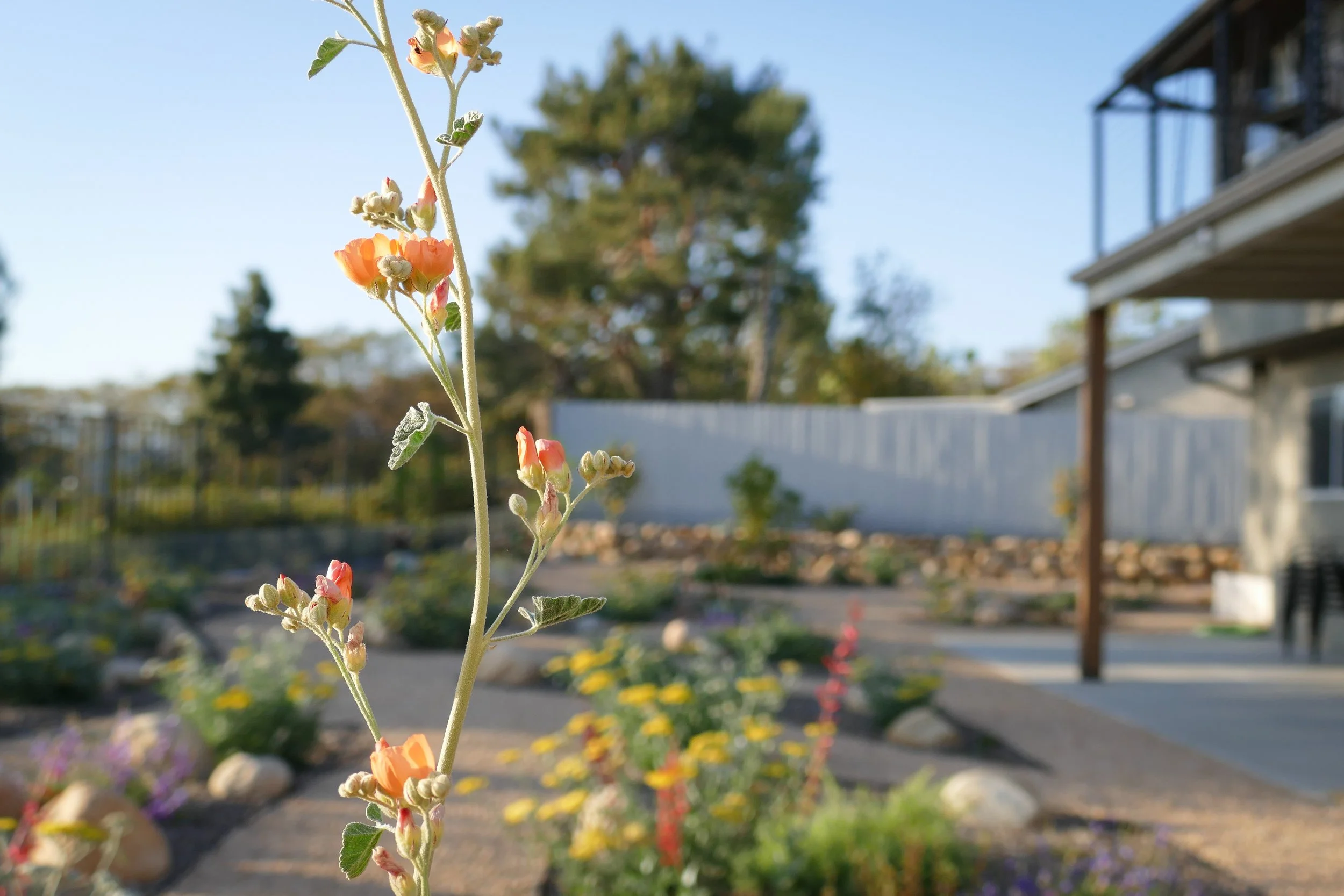
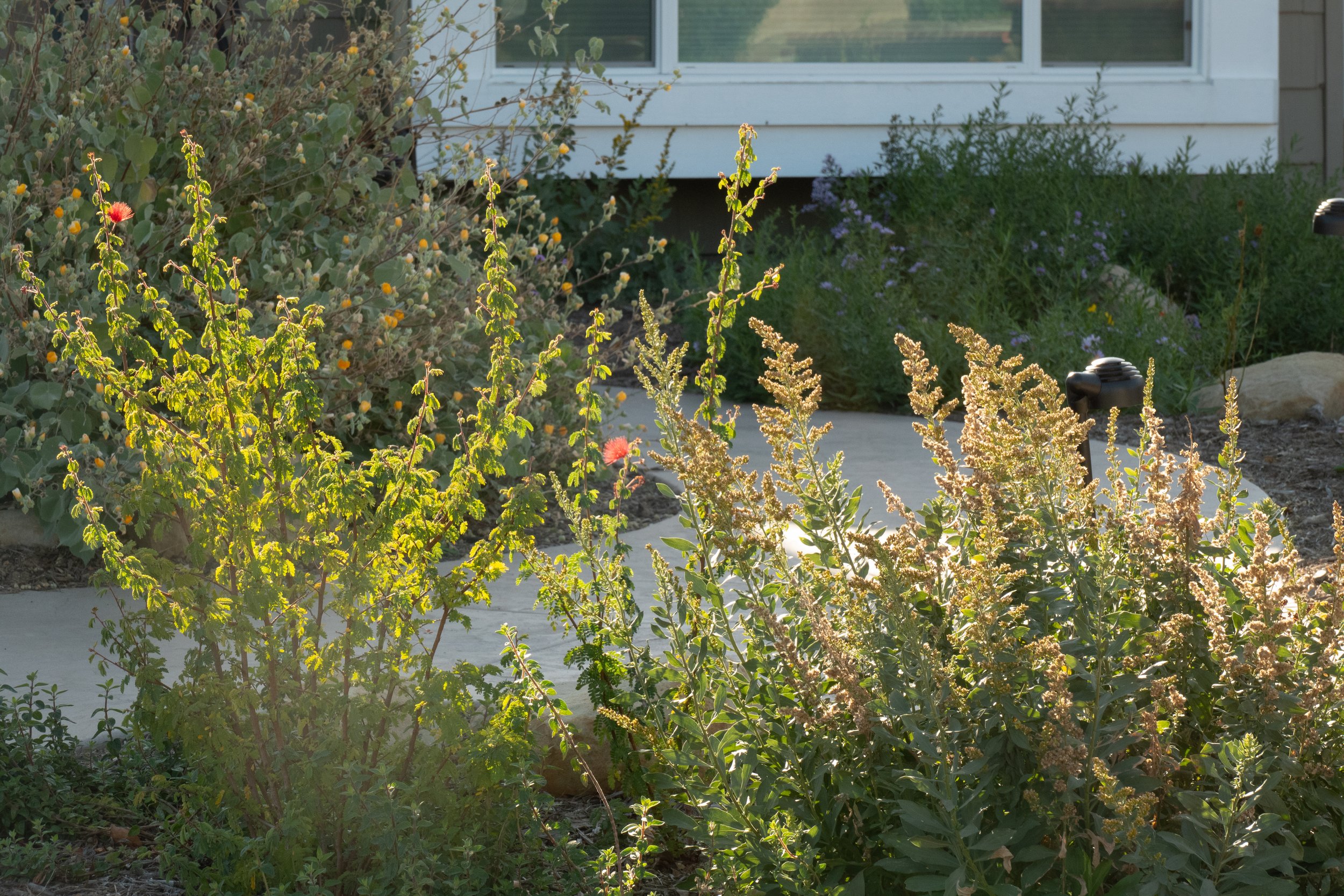
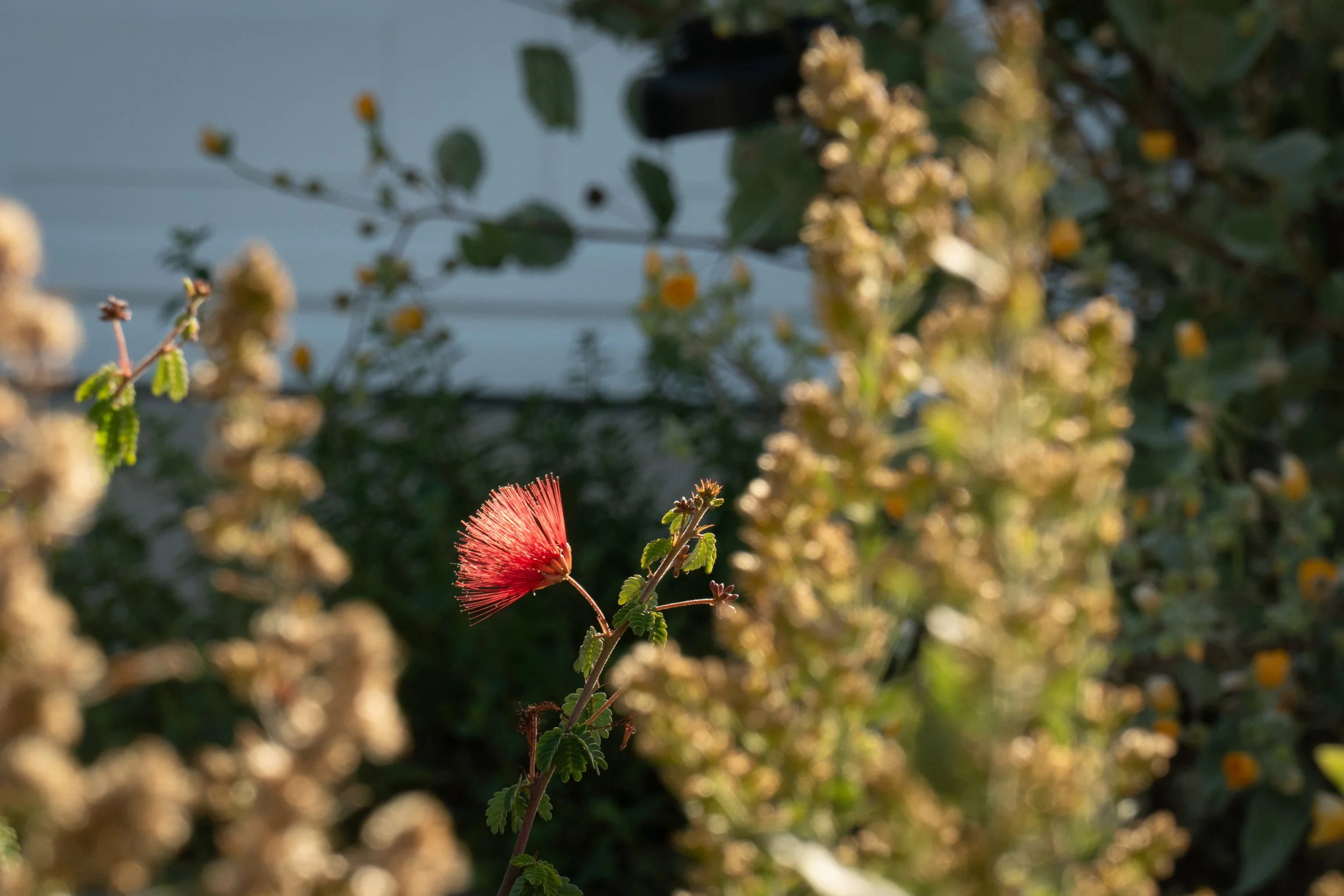
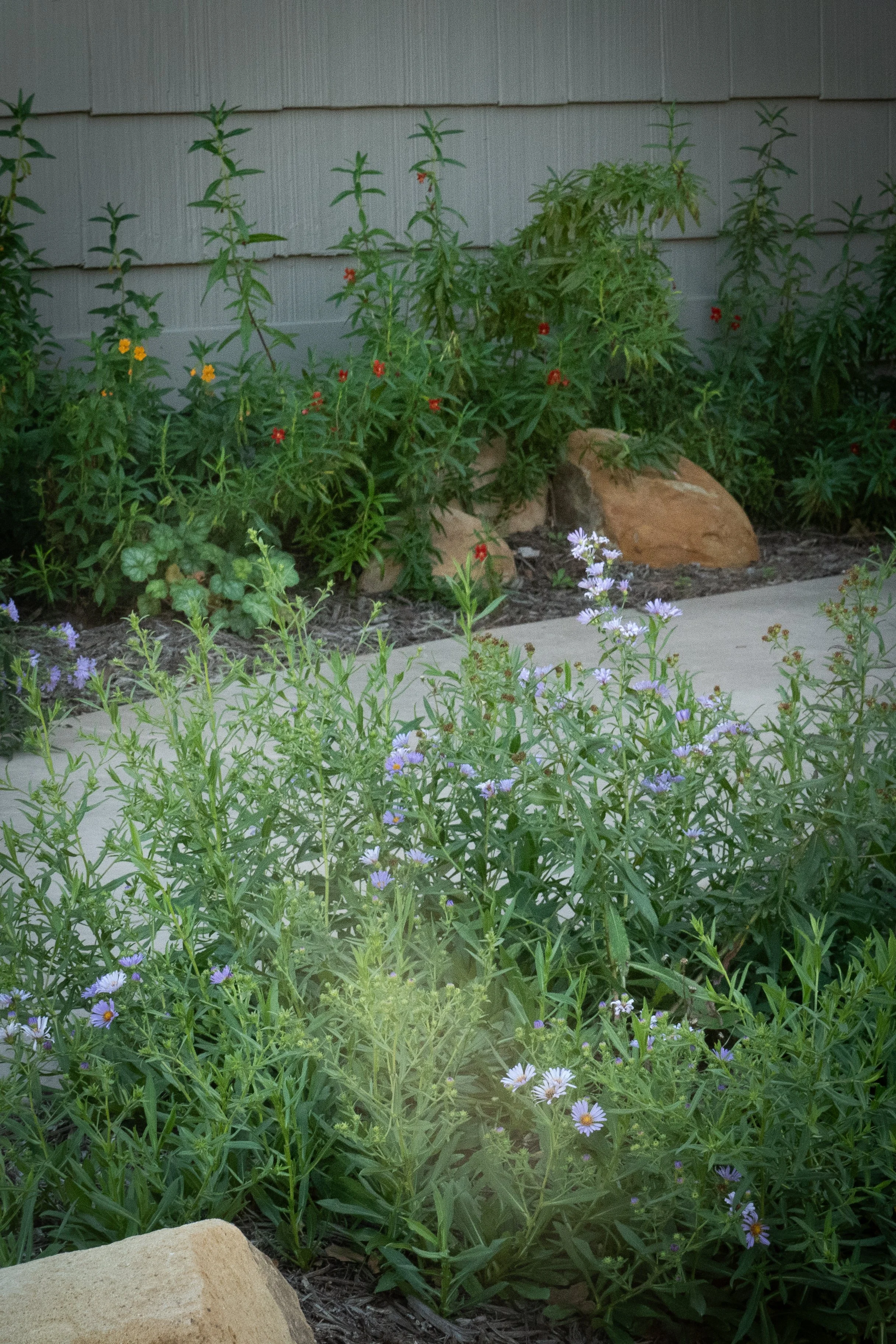
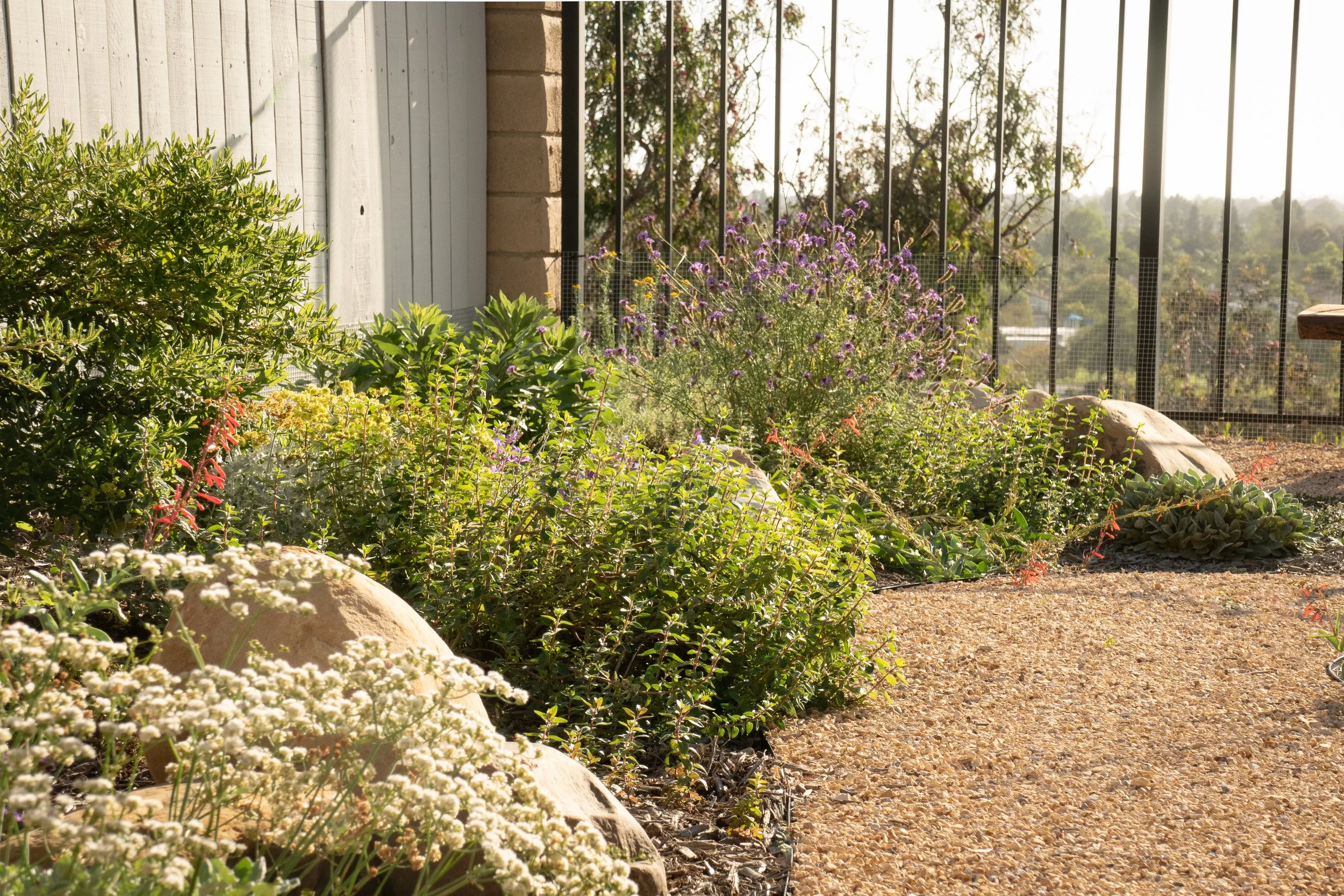
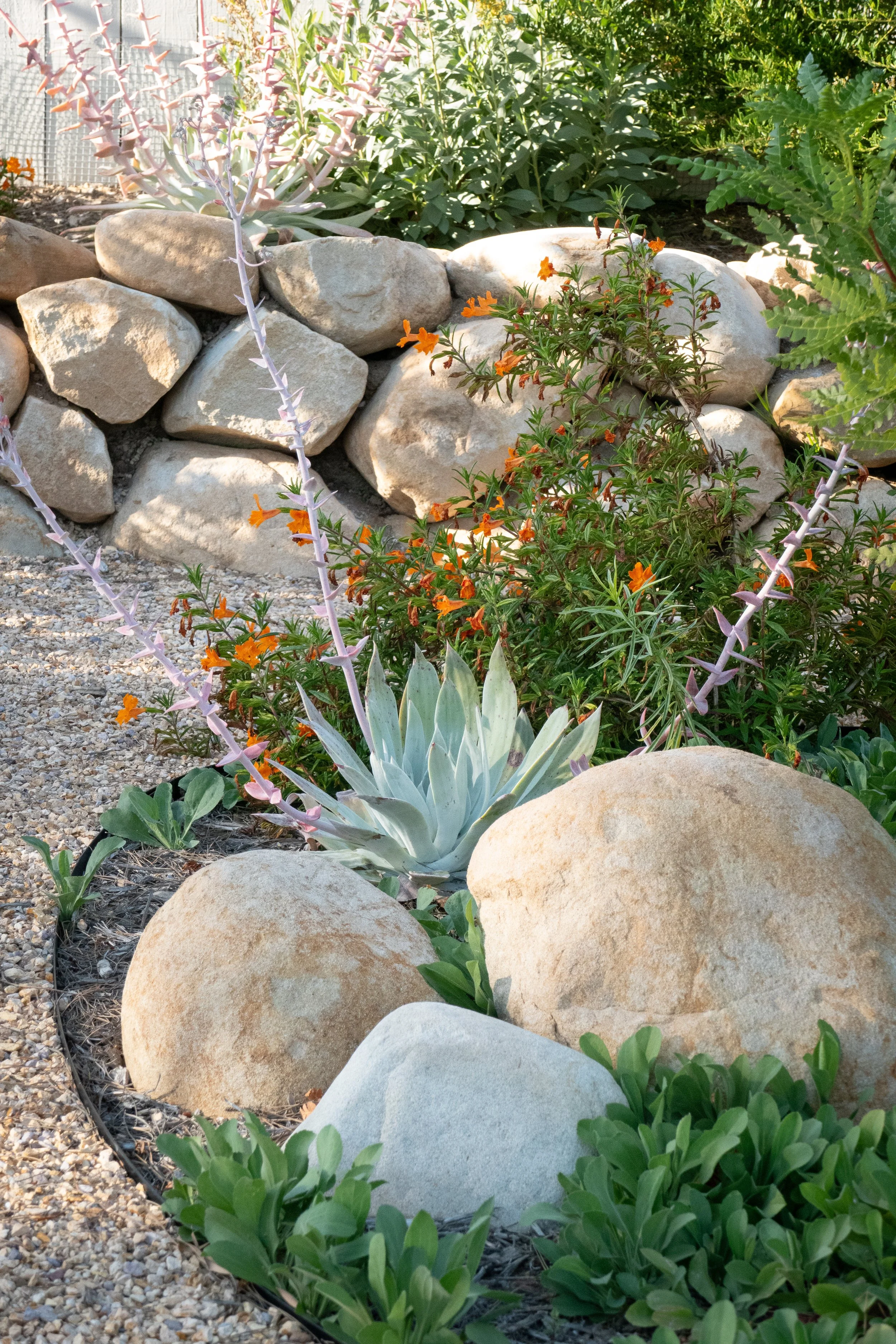
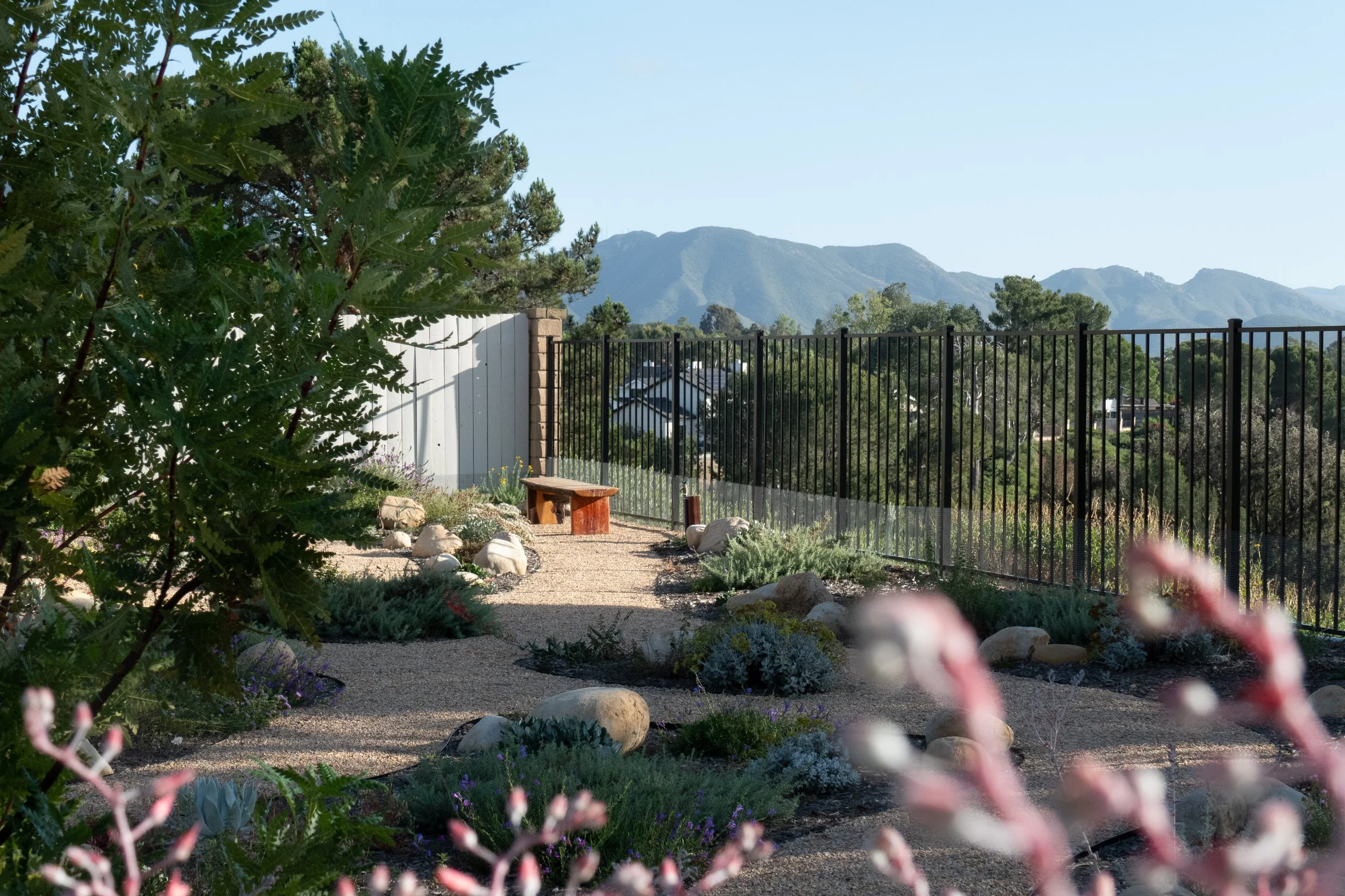
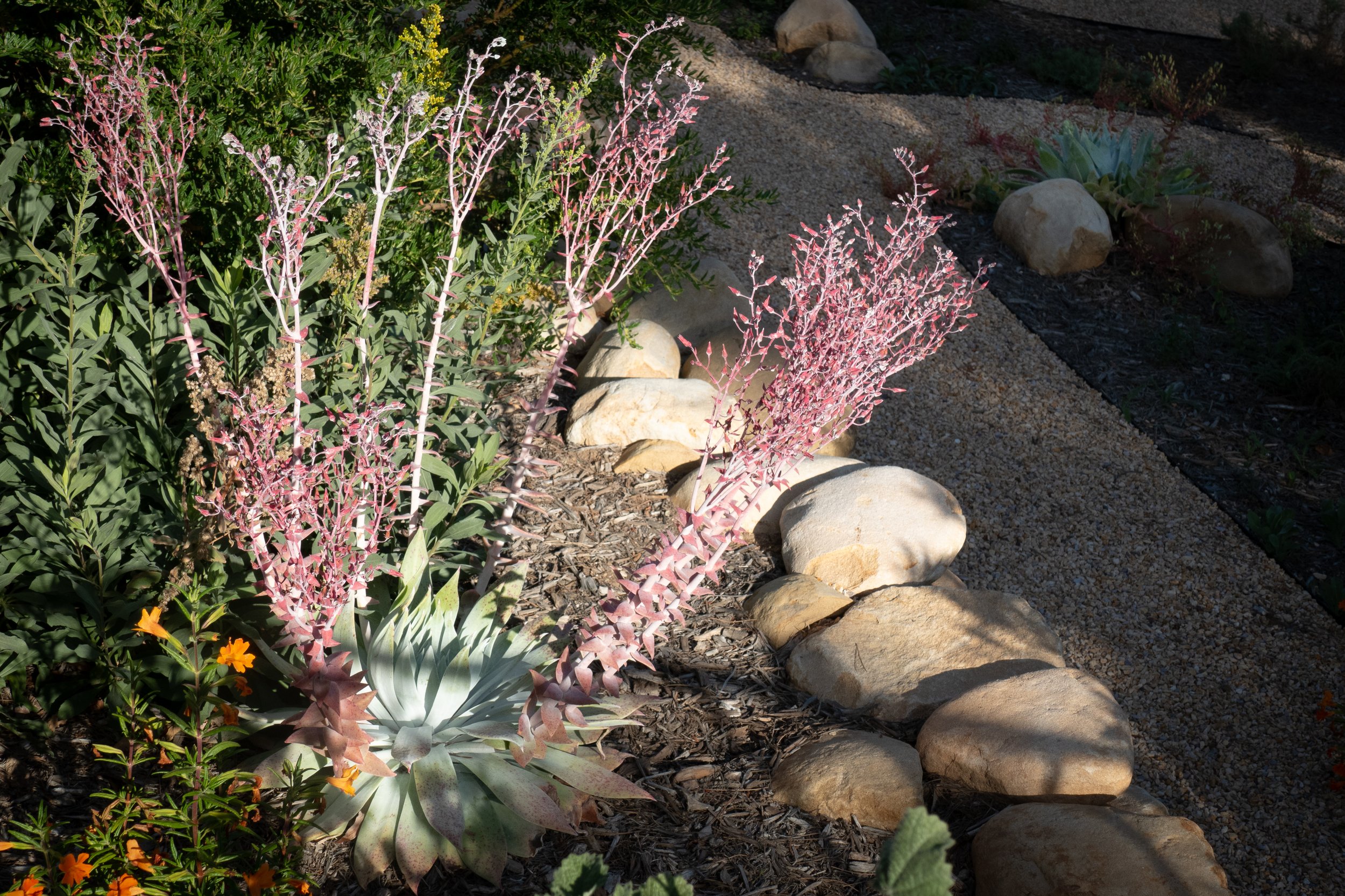
These clients were committed to a 100% California native plant landscape. This park-like garden is a great example of a fire-wise and watershed-wise landscape. California native plants require less irrigation because their water needs are evolved to fit the Mediterranean climate of California. Beyond the reduced need for irrigation, native plants have a positive effect on our watershed because seeds from the plants in landscapes move into open areas of land. Native plants help maintain ecological equilibrium, allowing water to flow across and absorb into the watershed as it would do in nature. In this garden we combined the use of native plants with a few other key features that help improve the water shed.
Back pathways are constructed from permeable gravel, which slows storm water runoff and lets it soak into the ground instead of sheeting off into the storm drains. Downspouts on the house are all feed to a depression in the ground, referred to as a swale. This swale creates a rain garden that holds storm water, giving the water time to percolate into the ground, keeping waterways cleaner because the water filters into the soil instead of accumulating contaminates and sending them into the storm drains and onto larger waterways. Another benefit is that that water is then stored in the soil for plants to access in the drier months.
Watershed-wise gardens are fire-wise gardens. Maintaining a healthy watershed helps mitigate the threat of wildfire. Having the correct balance of properly hydrated plant material helps maintain temperatures and humidity levels, which help reduce fuel loads and lower the intensity of fires when they come through. The use of non-flammable gravel pathways to connect islands of plantings, as well as stone and metal walls and fencing all serve to protect against of wild fire. Flammable elements of plant materials are isolated so that if an ember were to ignite there is a fuel break, limiting the ability of flames to take hold of the structure of the house.